
 By
Andy Boxall
Published Mar 2, 2026, 1:00 PM EST
Andy is a seasoned technology journalist with more than 15 years experience in the mobile industry, writing for Digital Trends, Wired, and more. During that time he has reviewed hundreds of smartphones and tablets, dozens of smartwatches, and a host of smart rings and smartglasses too.
His daily mobile tech life includes Android and iOS devices, smart rings, and a smartwatch unless it's a special ocassion, when a traditional watch takes its place on his wrist. He has attended multiple CES, MWC, and IFA tradeshows, has a passion for photography and cars, listens to far too much K-pop, and always has a strong opinion on the state of the tech industry.
You can find Andy's portfolio of work on his Authory page.
Sign in to your Android Police account
Add Us On
Summary
Generate a summary of this story
follow
Follow
followed
Followed
Like
Like
Thread
Log in
Here is a fact-based summary of the story contents:
Try something different:
Show me the facts
Explain it like I’m 5
Give me a lighthearted recap
By
Andy Boxall
Published Mar 2, 2026, 1:00 PM EST
Andy is a seasoned technology journalist with more than 15 years experience in the mobile industry, writing for Digital Trends, Wired, and more. During that time he has reviewed hundreds of smartphones and tablets, dozens of smartwatches, and a host of smart rings and smartglasses too.
His daily mobile tech life includes Android and iOS devices, smart rings, and a smartwatch unless it's a special ocassion, when a traditional watch takes its place on his wrist. He has attended multiple CES, MWC, and IFA tradeshows, has a passion for photography and cars, listens to far too much K-pop, and always has a strong opinion on the state of the tech industry.
You can find Andy's portfolio of work on his Authory page.
Sign in to your Android Police account
Add Us On
Summary
Generate a summary of this story
follow
Follow
followed
Followed
Like
Like
Thread
Log in
Here is a fact-based summary of the story contents:
Try something different:
Show me the facts
Explain it like I’m 5
Give me a lighthearted recap
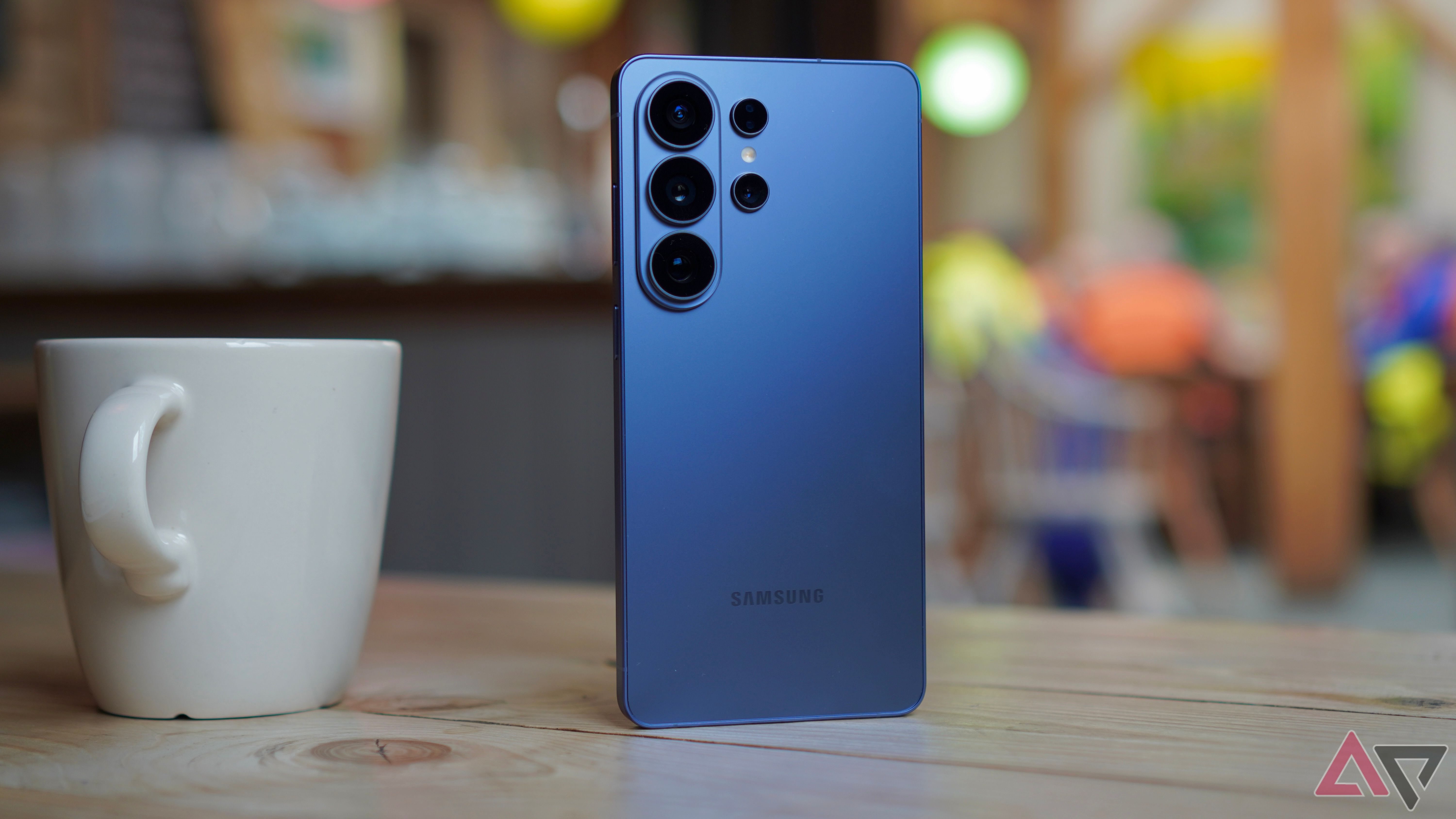
I’ve been using the Samsung Galaxy S26 Ultra for less than 48 hours, and I’ve already found the secret to either loving, or hating the new Privacy Display feature.
I was surprised to discover there’s a fine line between it being helpful and it being a bit of a pain, but luckily it’s very easy to manage.
 Related
I tested the Galaxy S26 Ultra, and the Privacy Display has to be seen to be believed
Related
I tested the Galaxy S26 Ultra, and the Privacy Display has to be seen to be believed
The world-first feature is very special, but there's a lot more to the phone
Posts By Andy BoxallNot everything has to be private
Always-on isn’t best

Like any new feature, it’s tempting to just turn it on and make the most of its ability, and that’s how I approached the Privacy Display initially.
Under the Quick Settings shortcut, you can simply activate the Privacy Display and have it work globally and in all instances. Everything remains private, and no-one can peep at your screen.
It’s only after living with the phone with Privacy Display active all the time that you begin to see the downsides of this setting.
For example, the issue which frustrates me the most is when taking photos and the screen is not always directly in front of you. Privacy Display makes seeing the viewfinder off-angle difficult.

If I glance at the screen when the phone is on the desk after quickly using it, the screen is dark until I pick it up to look at it directly.
Showing other people anything on the screen is more difficult, unless you turn Privacy Display off.
Thankfully, Privacy Display doesn’t affect the always-on lock screen, so you can see the time and date when the phone is face-up.
This aside, I found myself turning Privacy Display on and off quite regularly.
Not the way to use it
Set up specific apps

Anyone who has used a screen protector with a privacy shade will already know this pain, but Samsung has thought about it and provides an option to customize Privacy Display to work with specific apps.
This is the game-changer. Without it, Privacy Display may have become a feature which was turned off in frustration, and never activated again. Instead, you’re in complete control, and it dramatically increases its usability.
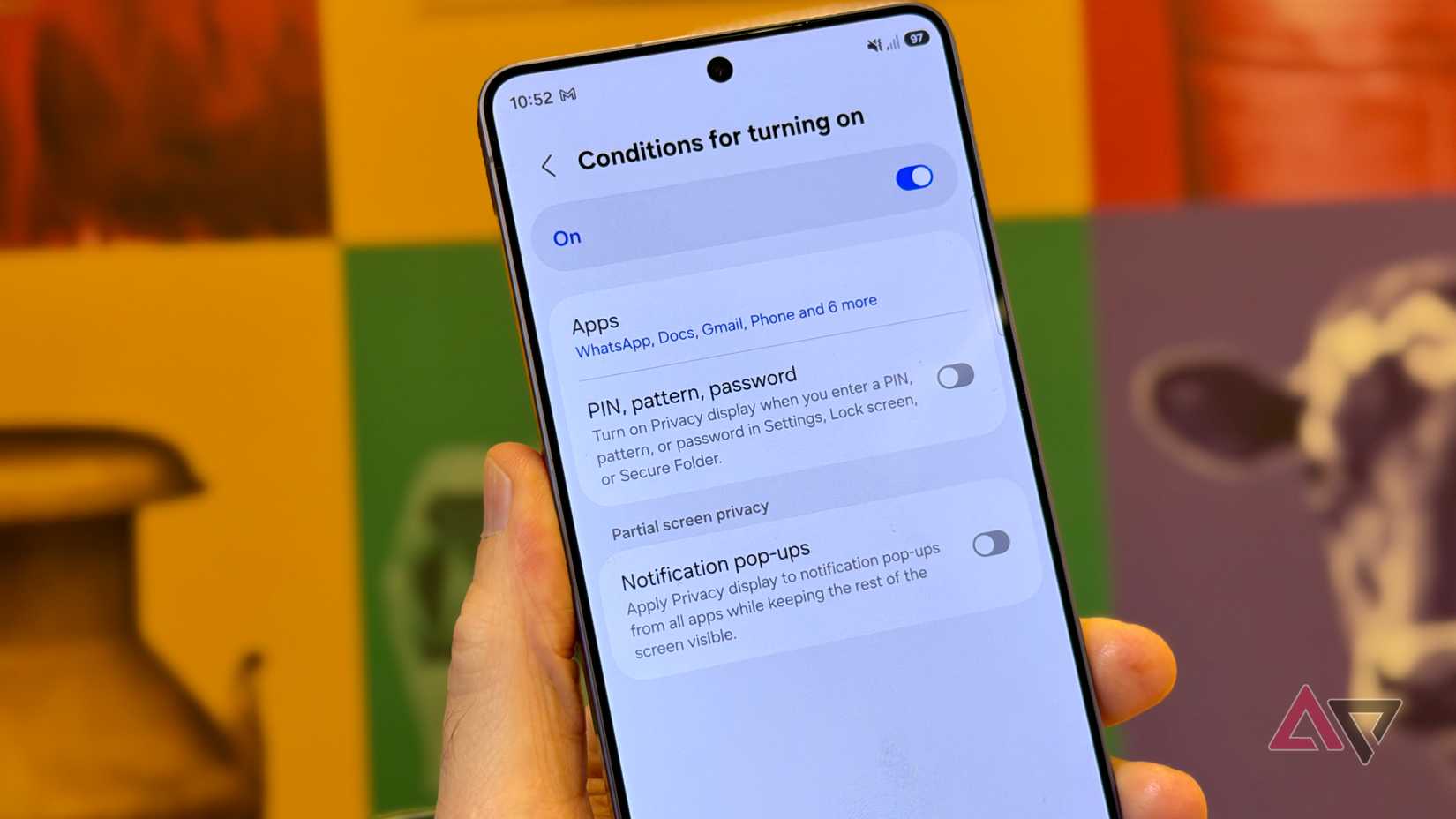
Under the Conditions for Turning On menu, you can toggle just about any app installed on the Galaxy S26 Ultra to work with Privacy Display. Everything from the calculator to Chrome, and Files to the Gallery is there.
It works really well too. Opening any app with the Privacy Display toggle sees the feature immediately turn on, and then off again when you exit the app. It’s fast, seamless, and makes the feature feel like an organic part of the phone.
Choose apps carefully
The same risks apply
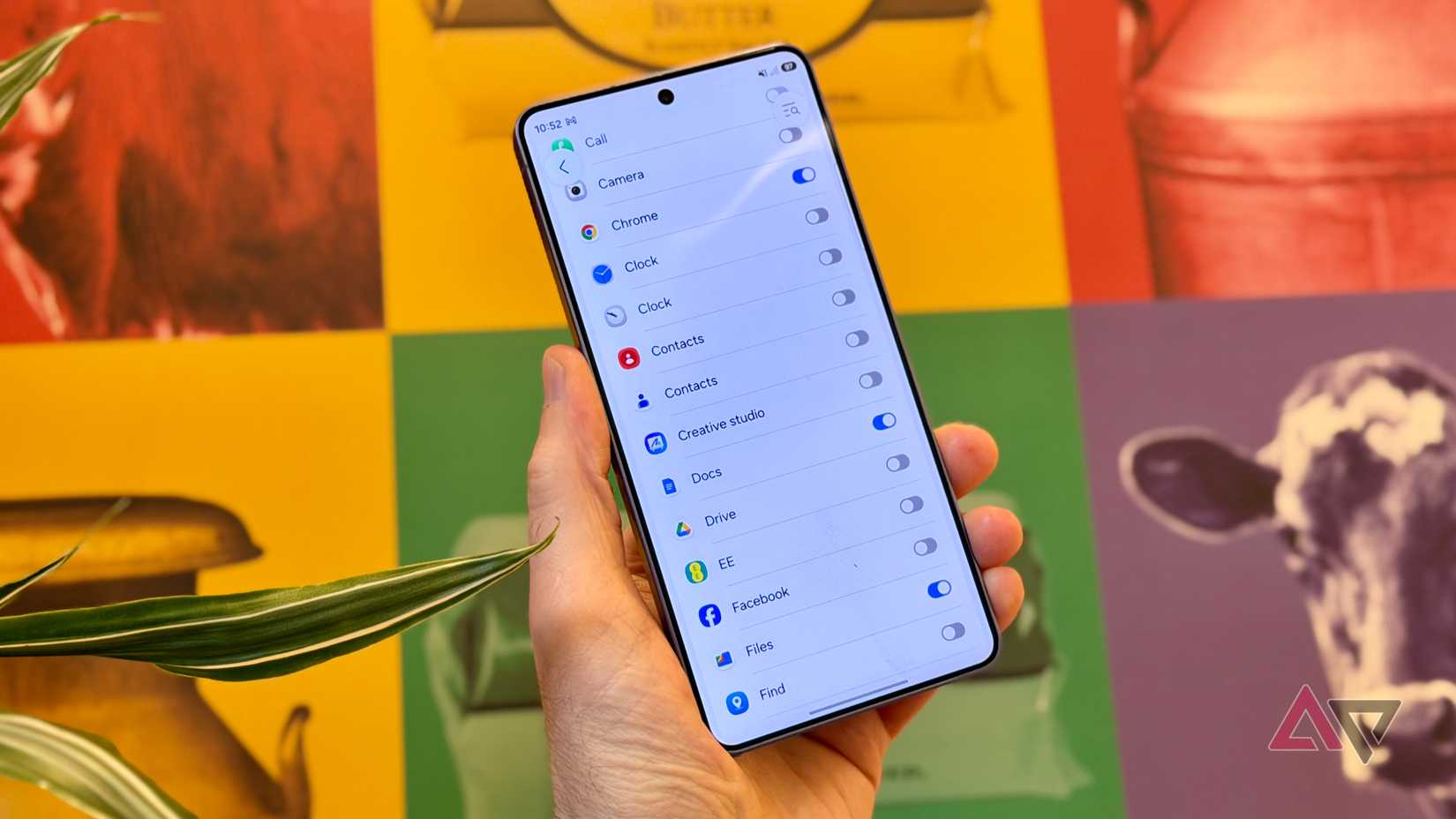
Setting Privacy Display to only operate with certain apps is definitely the way to go with the Galaxy S26 Ultra, but it’s still worth being selective with the apps you choose.
Make Privacy Display work: subscribe for setup tips
Subscribe to the newsletter for focused, practical guidance and tested setup approaches for Privacy Display and related smartphone privacy features. You’ll find clear walkthroughs and sensible configuration ideas so you can tailor those options to your needs. Get Updates By subscribing, you agree to receive newsletter and marketing emails, and accept our Terms of Use and Privacy Policy. You can unsubscribe anytime.For example, there may be times when I want Chrome to be protected, but for the most part it won’t be necessary, and the times when I want to show someone else a browser page will outweigh the times I want no-one to see it.
Therefore, not activating it automatically and doing so manually is the wisest course of action. It’ll be worth thinking the same way about social networking apps, the Play Store, games, or if you’re like me and constantly looking at cars to buy with friends, apps like Autotrader.
It needs to be carefully set up
Don’t just leave it on

The Privacy Display needs careful setup, and spending some time going through the list of apps in its settings will be just as important as signing in to your accounts, changing the wallpaper, and choosing a new ringtone during the first few hours with your new phone.
If you don’t, the feature is off by default anyway, meaning you won’t get any privacy benefit. If you just turn it on, it may frustrate in particular everyday situations, and you’ll miss out on what is a very useful feature.
The only way forward with Privacy Display is to choose which apps it works with, ensuring it’ll rarely frustrate, and always keep your most personal on-screen activity private.
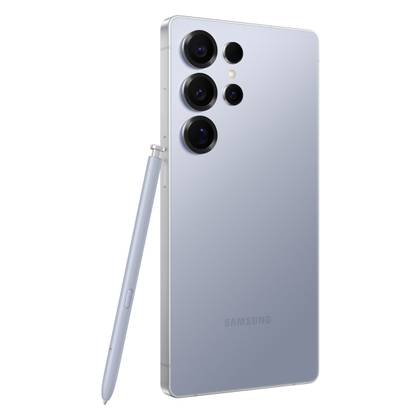 Samsung Galaxy S26 Ultra
SoC
Qualcomm Snapdragon 8 Elite Gen 5
Display type
Dynamic AMOLED 2X
Display dimensions
6.9-inch
Display resolution
3120 x 1440
RAM
12GB / 16GB
Storage
256GB / 512GB / 1TB
$1300 at Samsung
Expand
Collapse
Samsung Galaxy S26 Ultra
SoC
Qualcomm Snapdragon 8 Elite Gen 5
Display type
Dynamic AMOLED 2X
Display dimensions
6.9-inch
Display resolution
3120 x 1440
RAM
12GB / 16GB
Storage
256GB / 512GB / 1TB
$1300 at Samsung
Expand
Collapse
-
 Phones
 Google Weather for Android is finally saying goodbye
 6 reasons to add your passport to Google Wallet
 Motorola doesn't need to beat Samsung — it just needs to remember this